Creating the Perfect Custom Vegetable Boxes: A Step-by-Step Approach
Creating custom produce boxes demands a strategic approach. Professionals must evaluate sustainability, practicality, and aesthetics. Choosing the right substances is vital for preserving quality and supporting environmentally conscious practices. Additionally, dimensions and shape can greatly affect ease of use and shipping efficiency. Impactful graphics strengthen brand identity, while comprehensive evaluation guarantees longevity. Understanding these components will uncover important insights into developing standout container solutions that resonate with consumers. What follows after is critical to reaching those objectives.
Picking the Ideal Resources for Custom Produce Boxes
When selecting materials for custom produce boxes, it is essential to assess both operational performance and environmental impact. The decision of material considerably affects the box's resilience, weight, and ability to protect the contents. Common materials include corrugated cardboard, which provides strength and is able to be recycled, making it a popular choice for eco-conscious businesses. Biodegradable options, such as molded pulp or plant-based plastics, also support sustainable practices while offering adequate protection for delicate produce.
Furthermore, water repellency is crucial for preserving quality, prompting some manufacturers to investigate processed substrates or specialized coatings. The visual attractiveness of the box is important to consider, as branding and visual presentation can affect consumer perception. Ultimately, the appropriate choice should find equilibrium between safeguarding the product, attracting consumers, and adhering to environmental standards, guaranteeing that practicality and eco-consciousness are emphasized in the design process.
How to Identify the Right Size and Shape for Practical Application?
When deciding on the size and shape of custom produce boxes, thorough evaluation of produce dimensions is essential for effective storage. Additionally, attention to movement and transportation can affect the box design, ensuring ease of movement. Maximizing shelf space usage further enhances functionality, enabling efficient display and storage.
Assess Produce Dimensions Carefully
Determining the proper proportions for vegetable containers is important for smooth operations and productivity. Careful measurement of produce measurements is essential, as it makes sure that items fit firmly without extra room that might create damage during warehousing and delivery. Made-to-order containers need to handle multiple shapes, from tender fruits to large vegetables, while keeping durability. Additionally, the length and depth of the boxes should support proper layering and systematic organization, making the best use of space in warehouse spaces. A expertly crafted container not only protects the produce but also enhances consumer appeal for end customers. Ultimately, meticulous planning of dimensions aids in minimizing waste and enriching customer journey in the product distribution.
Examine Handling and Transport Procedures
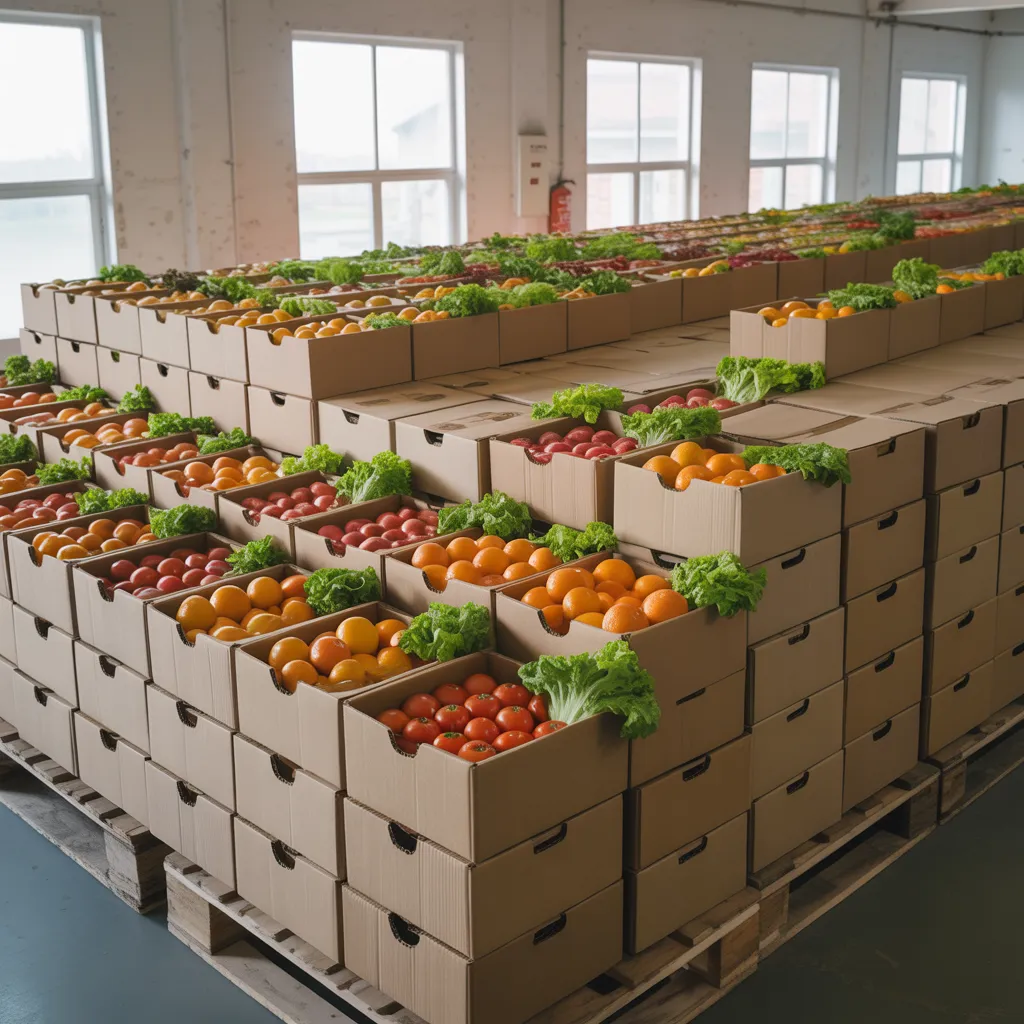
Shipping and handling considerations play a important role in determining the appropriate dimensions and shape of custom produce boxes. The dimensions must hold the produce without excessive room, which could result in movement and injury throughout transit. Compact boxes assist with simpler handling, while bigger containers may be needed for larger products. Additionally, ergonomic design is essential; grips or openings should be strategically placed to allow for comfortable raising and carrying. The shape of the container also affects stacking and balance, making sure that items remain safe. Ultimately, thorough evaluation of these aspects enhances the productivity of transport, cuts down product loss, and supports the general soundness of the produce from agricultural setting to end user.
Maximize Shelf Space Usage
Optimal shelf space usage comes down to selecting the best size and shape of bespoke produce boxes. Teams should examine the proportions of the display racks as well as the types of produce being stored. Rectangular boxes often advance space efficiency, supporting for better arrangement and fitting. Yet, varied forms can amplify attractive appearance but may generate excess space if not well planned.
It's necessary to examine the stock circulation rate; rapidly-moving items might benefit with compact, easily reachable containers. Likewise, adopting customizable or modular designs can facilitate different sizes of items while improving shelf organization. By highlighting practicality with visual appeal, firms can build a functional and visually compelling presentation that strengthens both accessibility and item visibility.
How to Build Graphics That Command Notice?
Impactful designs can transform a modest custom produce box into a visual masterpiece that attracts attention. To succeed this, designers should begin by read the facts selecting a color mix that reflects the vitality and vibrancy of the produce. Vivid, visually striking colors can stir emotions of freshness and fitness, compelling consumers to take a extended glance.
Strong typography proves equally vital; clear and legible fonts can effectively communicate essential information while strengthening aesthetic charm. Moreover, leveraging excellent photographs of the merchandise can build instant rapport, presenting the item's superiority and motivating prospective clients.
Furthermore, incorporating unique patterns or illustrations can help distinguish the brand in a competitive market. Uniformity in visual components, such as logos and taglines, strengthens brand identity. Ultimately, a blend of innovation and precision in visual design can greatly elevate the impact of custom produce boxes, making them become prominent on shelves.
Eco-Friendly Practices for Custom Produce Box Packaging Solutions
A surging number of firms are adopting eco-friendly practices for custom produce box packaging, recognizing its relevance in today's ecologically aware market. These practices often include the use of biodegradable materials, such as recycled paper and plant-based plastics, which minimize environmental impact. Companies are also focusing on sustainable sourcing, ensuring that materials are obtained from responsibly managed forests or suppliers who copyright environmental stewardship.
Furthermore, numerous brands are going with understated designs that minimize waste while still effectively promoting their products. This method not only resonates with environmentally conscious consumers but also assists in lowering production costs. Moreover, businesses are increasingly applying effective manufacturing processes that minimize energy consumption and waste generation. By integrating these sustainable practices, companies not only enhance their brand image but also contribute positively to the planet, positioning their operations with a sustainable future.
Testing Your Custom Produce Box Layout
Evaluating the design of custom produce boxes is a vital step in confirming they meet both aesthetic and functional specifications. This process generally entails reviewing aspects like resilience, scale, and ease of use. First, prototypes should be built to test the container's structural integrity, confirming it can withstand transportation and storage without compromising the contents.
Subsequently, functional tests can be implemented to establish how conveniently the boxes can be opened, shut, and positioned. Input from future users can be vital in this stage, communicating understanding into the box's practical value.
Moreover, the visual attractiveness of the design should be tested through focus group discussions or customer surveys, determining customer feedback to branding elements, colors, and complete visual presentation.
Ultimately, comprehensive evaluation enables designers to improve the box, guaranteeing it not only appeals to customers but also effectively protects and presents the produce within, achieving the right equilibrium between form and function.
Advertising Your Tailored Produce Boxes Successfully
Successful marketing of personalized vegetable containers demands a strategic approach that highlights their unique features and benefits. Companies should concentrate on identifying their intended customers, such as local farms, grocery stores, or individual consumers. Utilizing social networking sites can boost brand awareness, showcasing the boxes' appearance and functionality through engaging visuals and storytelling.
Moreover, partnering with community figures and agricultural experts can improve credibility and expand reach. Providing special deals or reduced prices during seasonal peaks can attract first-time customers and promote ongoing purchases.
Furthermore, promoting environmental sustainability and green values in marketing materials can engage environmentally conscious consumers. Presenting detailed information about the materials used and the advantages of custom packaging can better establish the product in a saturated marketplace.
Ultimately, a comprehensive promotional plan that combines digital and local community initiatives will successfully advertise custom produce boxes, attracting a varied clientele and driving sales.
Often Requested Queries
What Costs are Involved in Custom Produce Box Design?
Charges related to custom produce box design comprise materials needed, print production, work hours, and freight. Also, design services and minimum order quantities can determine total costs, bringing about varying prices based on individual specifications and manufacturing scale.
What Time frame Is Involved to Produce Custom Boxes?
Crafting customized boxes usually takes two to six weeks. Factors that shape this duration include intricacy of design, materials sourcing, and manufacturing capacity, each of which can affect shipment timelines and lead times.
Can I Order a Small Amount of Personalized Produce Boxes?
Yes, limited amounts of custom produce boxes can generally be ordered. Many providers extend baseline order amounts, enabling organizations or people to procure tailored packaging solutions without having to dedicate to significant quantities initially.
Which Typical Errors Need Avoiding in Custom Box Development?
Common mistakes in custom box design feature failing to address functionality, ignoring brand consistency, downplaying material quality, failing to consider target audience preferences, and overlooking environmental impact. Each aspect is essential for effective packaging and customer satisfaction.
What Steps Should I Take to Verify My Boxes Are Food-Safe?
To ensure boxes remain food-safe, you should select components approved for food contact, avoid harmful inks and adhesives, maintain cleanliness during production, and regularly test for compliance with health regulations and safety standards.